
The Hidden Dangers of Dirty Dryer Vents – Why Every Kansas Homeowner Needs a Yearly Check
Introduction
Dryer vents are one of the most overlooked systems in your home — yet they pose one of the most serious fire risks. Every year, thousands of house fires across the U.S. are caused by clogged or neglected dryer vents. In Kansas, where temperature changes and seasonal humidity affect airflow, a dirty dryer vent can create even bigger problems for your home.
This guide explains the hidden dangers, the warning signs, and why a yearly professional inspection is essential for safety and efficiency.
1. The Fire Hazard Most Homeowners Ignore
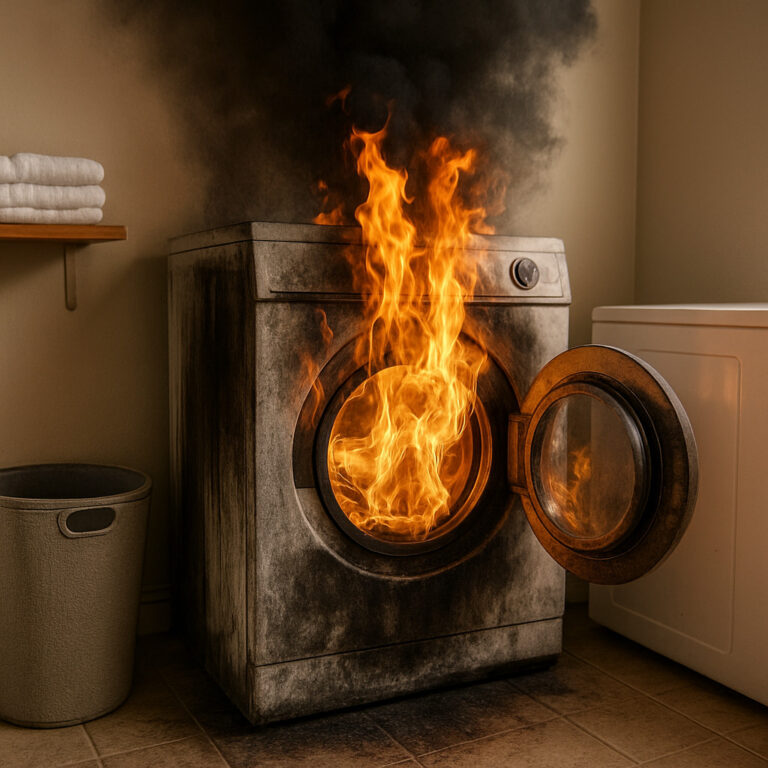
When lint builds up inside your dryer vent, it restricts airflow and overheats the system. Dryer lint is extremely flammable — even a small spark can ignite it.
Why this is dangerous:
Lint ignites quickly at high temperatures
Clogged vents trap heat inside the dryer
Overheating can damage the motor, belt, and wiring
Fires spread fast through attic and wall cavities
A yearly dryer vent cleaning drastically reduces this risk and keeps your home protected.
2. Mold Growth & Moisture Problems
When airflow is blocked, the dryer cannot push moisture outside. This causes warm, damp air to collect in the vent or inside the wall.
This can lead to:
Mold growth inside the vent
Moisture damage to drywall or insulation
Unpleasant odors coming from the laundry area
Higher humidity levels in your home
Homeowners in Kansas experience extra moisture during winter, making this problem even more common.
3. Reduced Dryer Efficiency & Higher Energy Bills
A dirty dryer vent forces your machine to work harder. Instead of drying clothes in 30–40 minutes, cycles may take 2–3 times longer.
What that means for you:
Higher electricity bills
More wear and tear on the dryer
Clothes that stay damp or smell musty
Shorter lifespan for the dryer
A professional cleaning restores strong airflow and makes your dryer run like new again.
4. Carbon Monoxide Build-Up in Gas Dryers
If you have a gas dryer, a clogged vent can prevent carbon monoxide from escaping through the exhaust system.
This can be extremely dangerous, and symptoms often go unnoticed:
Headaches
Fatigue
Dizziness
“Flu-like” feelings
Unexplained nausea
A yearly inspection is critical for households using gas appliances.
5. Warning Signs Your Dryer Vent Needs Cleaning
Watch for any of the following signs — they mean your system is already clogged:
Clothes take longer than usual to dry
A burning smell while the dryer is running
The back of the dryer feels extremely hot
Excess lint behind or under the dryer
Lint collecting around the vent outside
Humidity or hot air in the laundry room
Dryer automatically shutting off from overheating
If you notice any of these, schedule a professional cleaning immediately.
6. Why Kansas Homeowners Need Yearly Inspections
Kansas weather causes lint and moisture problems to worsen:
Spring humidity increases mold growth
Winter cold air causes vents to contract
Homes with longer vent runs clog faster
Older homes may have outdated venting systems
A yearly check keeps your home safe and ensures the dryer is running efficiently all year long.
7. DIY Cleaning vs. Professional Cleaning
While homeowners can remove lint from the trap and visible areas, a full cleaning requires professional equipment.
DIY Can Only Reach:
Lint trap
Slight inside of the dryer
Front vent area
Professionals Clean:
Entire vent line
Deep inside the duct
Behind the dryer
Wall and roof exits
Internal components
A proper cleaning takes 30–60 minutes and guarantees safe, strong airflow.
Conclusion: Protect Your Home & Your Family
A dirty dryer vent is more than an inconvenience — it’s a hidden hazard that puts your home and family at risk. With Kansas homes facing unique humidity and airflow challenges, yearly dryer vent inspections are essential for safety, efficiency, and peace of mind.
If it’s been more than a year since your last cleaning, now is the perfect time to schedule a professional service.
